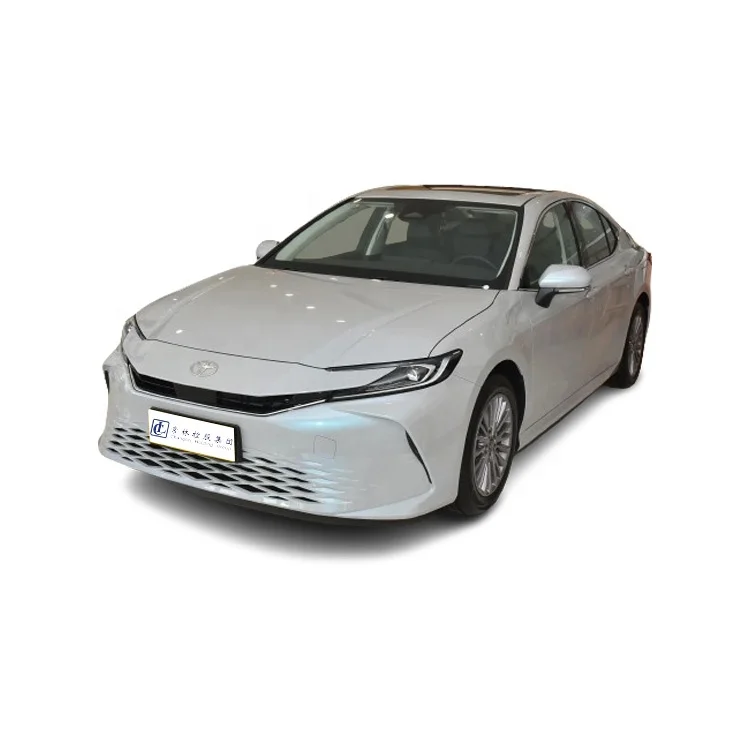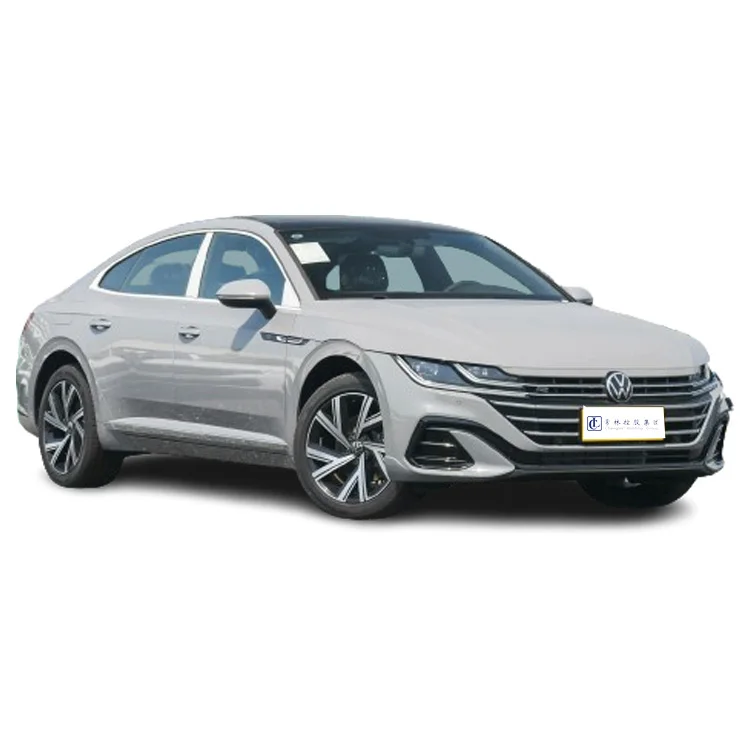
Long before gasoline powered cars were in the scene. Over the years they have changed significantly and play a vital role in transport. Let's learn more about them!
Gas powered automobiles first emerged around the late 1800s. So when you go back in time, cars used to be much different than what we have today. They were simpler and slower. Over the years, car manufacturers refined the designs and engines of gasoline cars. They equipped them with better brakes, lights, and seats to improve safety and comfort. So,gasoline power cars, we have dozens of iterations ranging from small cars to SUVs and big trucks.
The automobile more than any other technology defines the modern world. Gases from the burning gasoline enter the air as they pass through the engine of the car. These gases can contribute to air pollution and climate change. That's why car companies have been working to make gasoline engines cleaner and more fuel efficient in an attempt to save the Earth.
Gasoline powered cars are still a huge part of how we travel today, even with how destructive they are to the environment. They are an easy means of transport for people traveling to work, school or for a road trip. Businesses like delivery services and emergency response also rely on gasoline powered vehicles. Without them, it would be more difficult for people and goods to move around.
So what happens when a car has a gasoline engine? It’s like a giant puzzle with so many pieces that have to come together. When you start a car, the ignition system creates a spark and explodes gas in the fuel tank. This creates a small explosion, which pushes parts called pistons up and down, and turns the wheels of the car. And all this works smoothly and fast due to the engine and its components.
Gasoline powered cars must evolve with the world. With new concerns about air pollution and climate change, car makers are looking for ways to make gasoline engines function better and more environmentally friendly. Some are even test-driving electric and hybrid vehicles that use less gasoline or none at all. If we don't know what's next for gasoline cars, they are vital to the way that we travel.