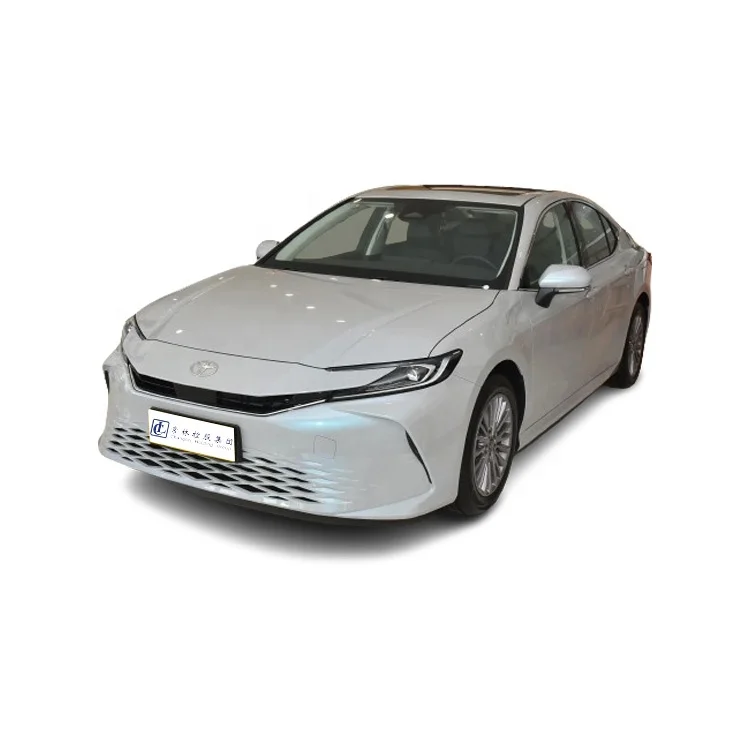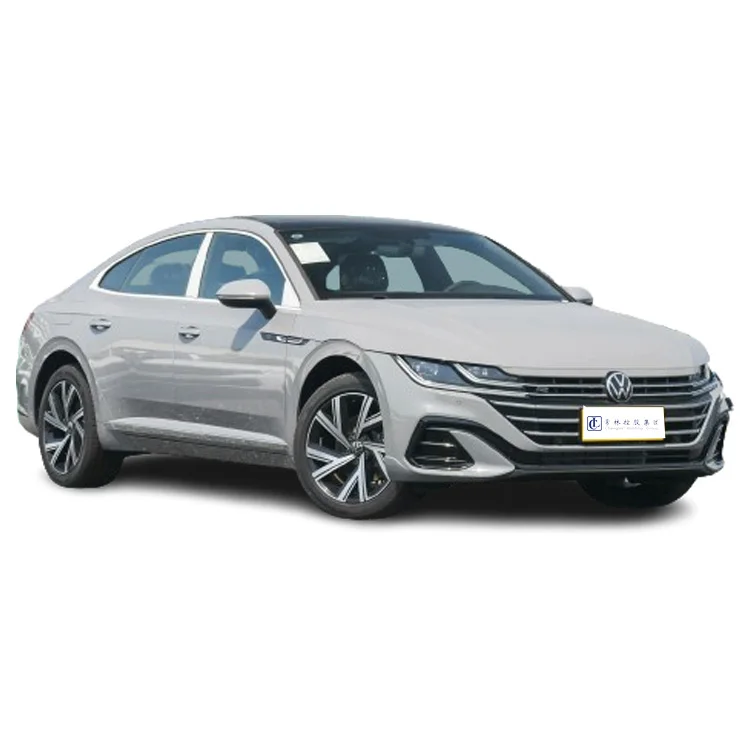
We’ve had gas-powered cars for a long time. Over the years, they have evolved significantly. So, let's find out how suvs changed, what impact did they have on the environment, advantages/disadvantages of gasoline, what does the future holds, and the latest technology in gasoline vehicles.
Since the invention of gasoline vehicles, things have come a long way. Back in the days, vehicles never used to be as good as they are today. They were slower, and they didn't burn fuel very efficiently. But engineers and scientists have gradually improved them. They have made gasoline vehicles go faster, protect their occupants better, and more comfortable to ride in. Now, petrol vehicles ease our movement from one destination to another.
Gasoline vehicles help the environment but stigma can still cause damage. Gasoline vehicles excrete dangerous gasses when we drive them. Such gases can contribute to air pollution and climate change. Which is why it’s crucial to mitigate the environmental impact of suvss. This can be done by reducing the amount we drive, taking public transport, and car pooling (when able).
Gasoline cars have a lot of advantages even though they may damage the environment. They are dependable, can be easily gassed up, and have great range without stopping often. Fuel-operated vehicles are available in different sizes and designs for different requirements. So if you want a tiny car for the job or a large pickup to haul cargo, a gasoline vehicle is for you.
With the advances in technology, gasoline vehicles have a bright future ahead. Engineers are developing more fuel-efficient, less-polluting engines. They are also exploring alternative power sources, such as electric and hybrid engines, to make gasoline-fueled vehicles more environmentally friendly. Govt to fuel growth of cleaner gasoline vehicles in future.
It’s a great time to get into a new gasoline vehicle, recently among the many exciting features added. Some, for instance, have advanced safety features such as automatic braking and lane-keeping assist. Others have smart technology like built-in navigation systems and voice controls. Engineers are seeking to design self-driving cars that have nobody's help to direct them. These new features can simplify and improve the safety of gasoline vehicles.