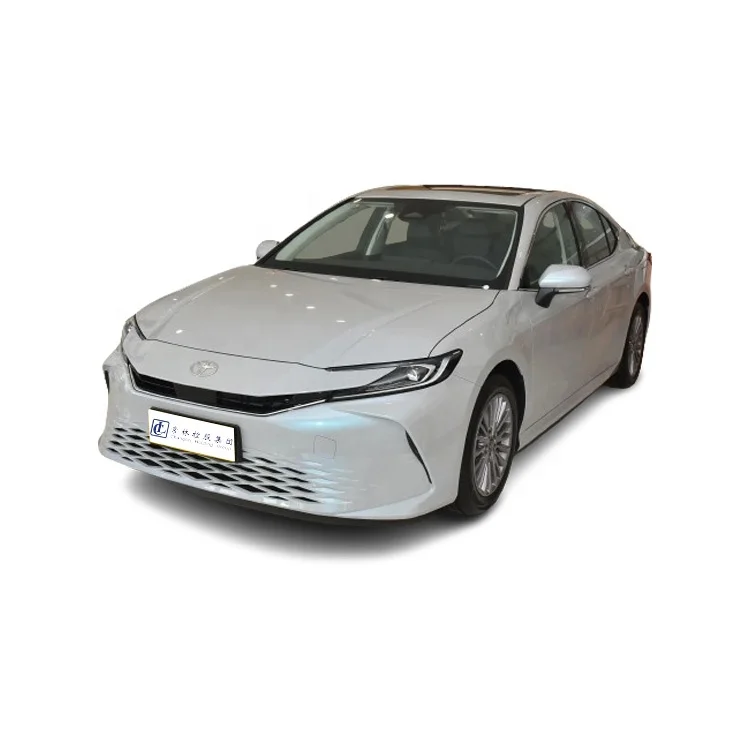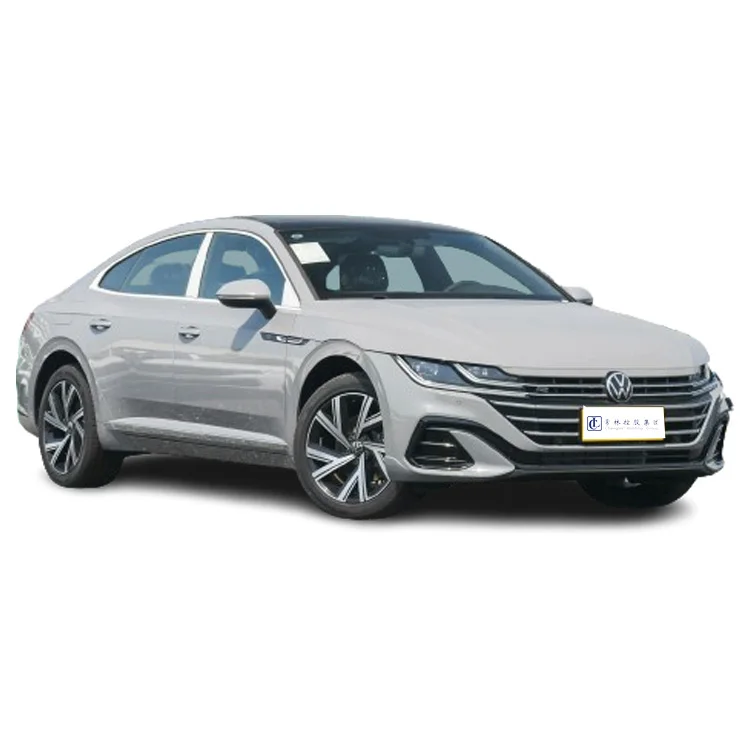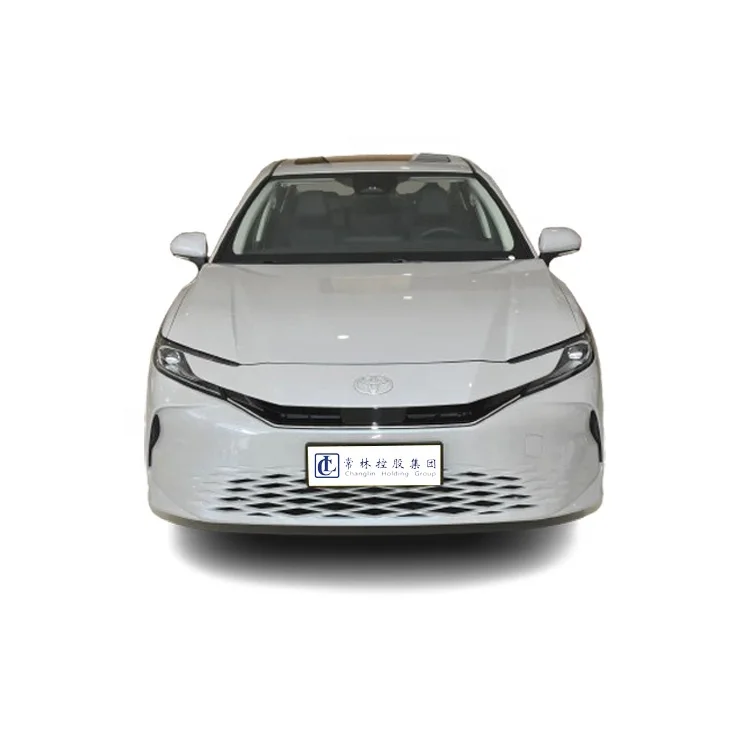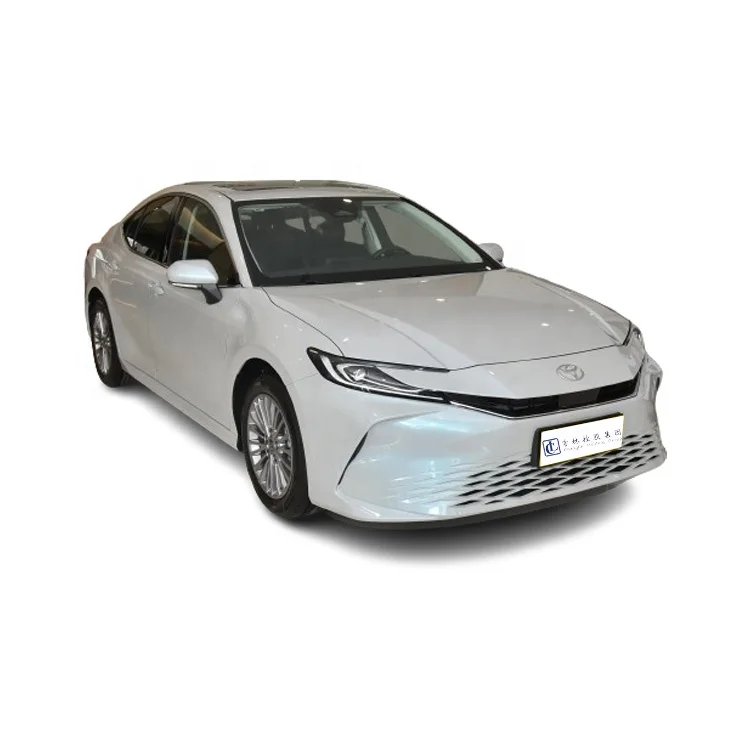
Gasoline cars have a long history, and they have come a long away. Here’s a closer look at how they have evolved, the impact they have on the environment, why these heavy vehicles might be a good choice, how to care for them and what the future holds for these types of vehicles.
Gasoline cars gained popularity in the early 20th century. They were a huge improvement over the horse-drawn carriages in which people used to be jostled around. Over time, gasoline cars have also become faster, safer and more efficient. Today they come in all shapes and sizes, from small compact cars to huge trucks and S.U.V.s.
Gasoline-powered cats can be bad for the environment. When we burn gasoline in our cars, it gives off bad gases that go up into the air, such as carbon dioxide. These gases can be harmful both for the climate and for air quality. Which is why we need to look really hard at things we can do to use less gasoline and come up with cleaner substitutes.

But despite the environmental consequences, there are still plenty of good reasons to have a gasoline car. With gasoline cars generally cheaper to buy than electric cars and a lack of charging stations so that recharging can be more convenient than recharging an electric car if you don’t have access to one for whatever reason. They generally also have more range, letting you drive more before you need to stop and recharge.

If you want your gasoline car to run as efficiently as possible for as long as possible, it’s important to take good care of it. Be sure to keep up with regular oil changes, monitor your tires for the right air pressure and maintain any suggested maintenance schedules. As long as you take good care of your car, it should last you for many years to come.

Gasoline cars are advancing, along with technology. Car builders are developing their gasoline engines to use less fuel and produce less harmful emissions. Some are even working on cars that can run on a combination of gasoline and electricity, known as hybrid cars. These cars can play a key role in lowering emissions and saving you money on gas.