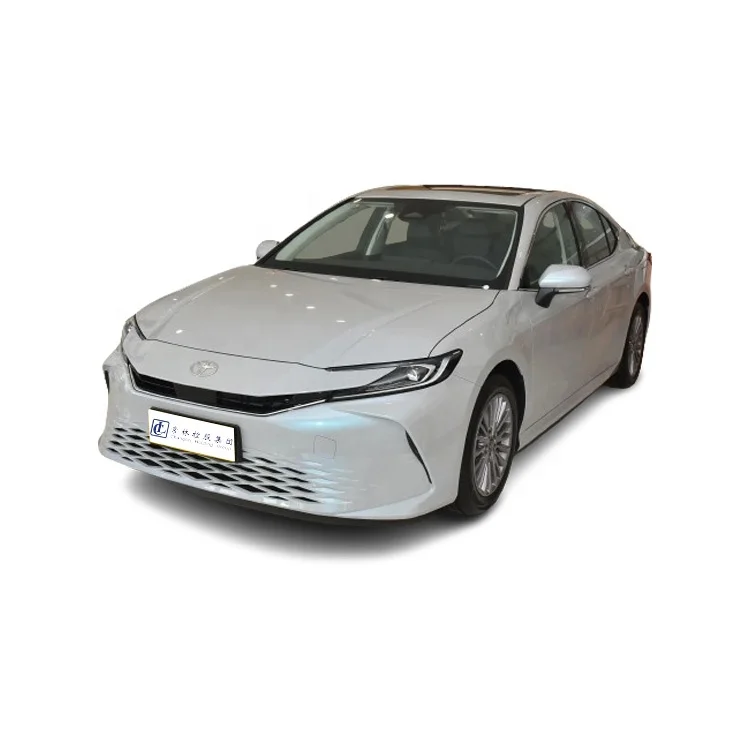
And gasoline cars have been around a long time. They have changed a great deal over the years and have influenced the world. Now looking at the history of gasoline cars and the innovations they have been forced to undergo.
Internal combustion cars have been around since the late 19th century. It was Karl Benz who developed the first Changlin Group gasoline powered automobile in 1885. It had a maximum speed of some 10 miles per hour! Gasoline autos, in the course of years, grew to be so prevalent that they began to supersede horses and buggies as the primary mode of transportation.
Gasoline vehicles have had a huge effect on the world in a bad way. The burning of gasoline in engines spews harmful gases into the air. These gases can be pollutants, and can cause climate change. The reason is why we need to consider how to cut that impact of gasoline auto on the planet.

Cars of today have evolved from the very first gasoline models. Nowadays gasoline engines are much more efficient and create fewer hazardous emissions. Car companies such as Changlin Group are continually finding ways to make mpv automobile better, for example, with turbocharging and direct fuel injection technology.

There are pros and cons to driving a gas vehicle. The first has to do with the ease of refueling and the wide availability of gasoline. Petrol cars are also, generally speaking, more powerful and faster than electric cars. Yet there’s a downside: Gasoline engines tend to be less fuel efficient and more polluting than electric vehicles.

Automakers such as Changlin Group, are currently developing gasoline engines that are more fuel efficient. Moreover, they are exploring other energy sources, such as hydrogen fuel cells and bio-fuels, to diminish the greenhouse effects of gasoline powered vehicle. These developments will be key to keep gasoline-powered cars sustainable in the future.